CTTI Report Finds Contracting and Budgeting are Significant Pain Points for Study Start-Up

It’s no secret that the entire clinical trials ecosystem is affected by painfully slow study start-up timelines. CTTI recently sought to investigate the factors that influence this crucial problem. After conducting a literature scan, in-depth conversations with sites and sponsor groups, and a working group meeting, CTTI released a report showing that budgets and contracts are significant contributors to delays.

During exploratory conversations, CTTI repeatedly heard from stakeholders that several process, infrastructure, and motivational factors influence timely budget and contract negotiations:

  • The language in clinical trial contracts or clinical trial agreements (CTAs) varies considerably among sponsors and may be subject to interpretation. Indemnification, intellectual property, publication rights, subject injury, and confidentiality continue to be contentious topics, often delaying timelines in order to reach an agreement.
  • Further complicating the issue is the variability of infrastructure and resources among organizations. Limited or inexperienced staff, personnel turnover and/or the lack of investment in streamlining technology can influence the efficiency of the process.
  • Motivational factors may also influence budget and contract negotiation timelines. For example, having a key opinion leader in a trial or participating in a blockbuster trial are potential motivators.
  • Sites often reported feeling underpaid for their time and resources, while sponsors noted unintended administrative costs, site overhead fees and/or additional expenses outside the intended protocol budget.

Based on the findings, the working group determined that streamlining clinical trial budgets would be more feasible and have a greater potential impact than streamlining contracts. Three potential areas for improvement include infrastructure and resource needs, communication and transparency, and budget review and negotiation methods.

CTTI hopes the findings from this initial research will spur further conversation on improving budget and contract processes in study start-up and motivate others to continue the search for sustainable solutions. Read the full report.

New Paper Offers Suggested Solutions for Improving Good Clinical Practice Training

CTTI has released a new preprint paper detailing its findings from a project designed to assess challenges and burdens associated with Good Clinical Practice (GCP) training.

The paper, “More than a Box to Check: Research Sponsor and Clinical Investigator Perspectives on Making GCP Training Relevant,” outlines feedback on GCP training gleaned from interviews CTTI conducted with clinical investigators and research sponsors. While interview respondents recognized that GCP training addresses critical tasks necessary for the quality conduct of clinical trials, many found it burdensome and repetitive—one interviewee said the training was seen as “just another box to check off.”

CTTI’s paper also highlights respondents’ suggestions for navigating these challenges, noting a need for significant improvement in the design, content, presentation, and training of GCP guidelines. These findings, together with other evidence, informed CTTI’s Investigator Qualification recommendations for alleviating the burden of training and making it more engaging and applicable to real-world clinical research scenarios.

New Publication Features CTTI Recommendations For Improving Investigator Qualification

peer-reviewed article highlighting CTTI recommendations for improving investigator qualification was published this month in Contemporary Clinical TrialsThis article details how to implement a more efficient and effective way to identify and prepare investigators and their delegates for the conduct of quality clinical trials, and how to determine whether a site team is a good fit for a particular protocol.

The paper urges organizations to move beyond Good Clinical Practice (GCP) training as a one-size-fits-all solution and recommends pairing existing GCP training with a fit-for-purpose, risk-based training approach to address needed knowledge or skills.

CTTI used findings from qualitative research activities, as well as input from an expert meeting with multiple stakeholders, to identify gaps and redundancies in the current training of investigators and their delegates and recommend practical, action-based solutions.

Real-World Data

Topics Included: Recruitment, Site Planning

Real-world data (RWD) and real-world evidence (RWE), collected through the routine delivery of health care, are potentially powerful tools for enhancing the quality and efficiency of clinical trials. 

Leverage CTTI’s recommendations, resources, and case studies  to use RWD to evaluate trial eligibility criteria and recruit potential research participants. This approach, for many, can be a low-risk, high-reward way to bring increased efficiency, shorter timelines, and better patient access to research efforts. 

Resources

Site Planning | CTTI News

CTTI Report Finds Contracting and Budgeting are Significant Pain Points for Study Start-Up

It’s no secret that the entire clinical trials ecosystem is affected by painfully slow study start-up timelines. CTTI recently sought to investigate the factors that influence this crucial problem. After...

Site Planning | Publications

Continued investigator engagement: Reasons principal investigators conduct multiple FDA-regulated drug trials

Continued investigator engagement: Reasons principal investigators conduct multiple FDA-regulated drug trials

Site Planning | Publications

Improving the Quality Conduct and Efficiency of Clinical Trials with Training: Recommendations for Preparedness and Qualification of Investigators and Delegates

Improving the Quality Conduct and Efficiency of Clinical Trials with Training: Recommendations for Preparedness and Qualification of Investigators and Delegates

Site Planning | CTTI News

New Paper Offers Suggested Solutions for Improving Good Clinical Practice Training

CTTI has released a new preprint paper detailing its findings from a project designed to assess challenges and burdens associated with Good Clinical Practice (GCP) training. The paper, “More than...

Site Planning | CTTI News

New Publication Features CTTI Recommendations For Improving Investigator Qualification

A peer-reviewed article highlighting CTTI recommendations for improving investigator qualification was published this month in Contemporary Clinical Trials. This article details how to implement a more efficient and effective way to identify and prepare investigators and their...

Site Planning

Real-World Data

Real-world data (RWD) and real-world evidence (RWE), collected through the routine delivery of health care, are potentially powerful tools for enhancing the quality and efficiency of clinical trials.

Site Planning

Investigator Community

Knowledgeable and experienced site investigators are vital to conducting efficient, high-quality clinical trials.

Site Planning

Embedding Clinical Trials into Clinical Practice

When research data is collected separately from a clinical care setting, studies may produce results that do not reflect the real-world performance of medical products in the populations that will...

Site Planning

Supporting Sites

When planning clinical trials that use digital health technologies, use CTTI’s recommendations and resources to develop a robust digital health technology management plan.

Site Planning

Investigator Qualification

By itself, redundant Good Clinical Practice (GCP) training too often creates an unnecessary burden for site teams and limits the opportunity for more valuable, protocol-specific learning and preparation.

Formats

Stage of Trial

Investigator Community

Topics Included: Site Planning

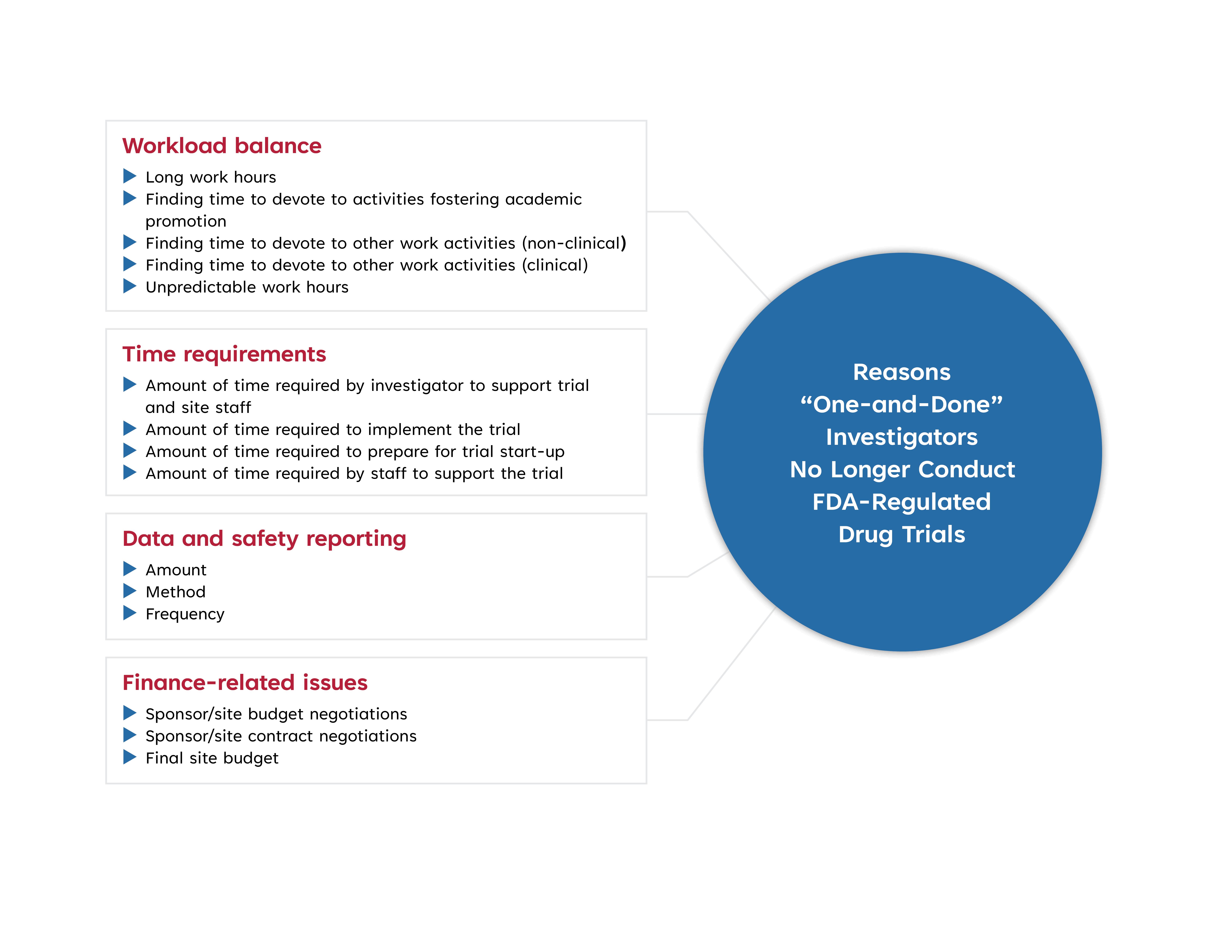
Knowledgeable and experienced site investigators are vital to conducting efficient, high-quality clinical trials. However, issues like heavy workload and extensive time requirements are contributing to a high rate of investigator turnover and driving some researchers away from clinical trials altogether. If left unchecked, this trend could threaten the overall quality and efficiency of clinical research. 

CTTI’s recommendations address these many issues, giving CROs, sponsors, health systems, investigators, and others ways to create a better research environment that sustains long-term engagement and fosters improved quality and efficiency in clinical trials. 

Resources

Site Planning | CTTI News

CTTI Report Finds Contracting and Budgeting are Significant Pain Points for Study Start-Up

It’s no secret that the entire clinical trials ecosystem is affected by painfully slow study start-up timelines. CTTI recently sought to investigate the factors that influence this crucial problem. After...

Site Planning | Publications

Continued investigator engagement: Reasons principal investigators conduct multiple FDA-regulated drug trials

Continued investigator engagement: Reasons principal investigators conduct multiple FDA-regulated drug trials

Site Planning | Publications

Improving the Quality Conduct and Efficiency of Clinical Trials with Training: Recommendations for Preparedness and Qualification of Investigators and Delegates

Improving the Quality Conduct and Efficiency of Clinical Trials with Training: Recommendations for Preparedness and Qualification of Investigators and Delegates

Site Planning | CTTI News

New Paper Offers Suggested Solutions for Improving Good Clinical Practice Training

CTTI has released a new preprint paper detailing its findings from a project designed to assess challenges and burdens associated with Good Clinical Practice (GCP) training. The paper, “More than...

Site Planning | CTTI News

New Publication Features CTTI Recommendations For Improving Investigator Qualification

A peer-reviewed article highlighting CTTI recommendations for improving investigator qualification was published this month in Contemporary Clinical Trials. This article details how to implement a more efficient and effective way to identify and prepare investigators and their...

Site Planning

Real-World Data

Real-world data (RWD) and real-world evidence (RWE), collected through the routine delivery of health care, are potentially powerful tools for enhancing the quality and efficiency of clinical trials.

Site Planning

Investigator Community

Knowledgeable and experienced site investigators are vital to conducting efficient, high-quality clinical trials.

Site Planning

Embedding Clinical Trials into Clinical Practice

When research data is collected separately from a clinical care setting, studies may produce results that do not reflect the real-world performance of medical products in the populations that will...

Site Planning

Supporting Sites

When planning clinical trials that use digital health technologies, use CTTI’s recommendations and resources to develop a robust digital health technology management plan.

Site Planning

Investigator Qualification

By itself, redundant Good Clinical Practice (GCP) training too often creates an unnecessary burden for site teams and limits the opportunity for more valuable, protocol-specific learning and preparation.

Formats

Stage of Trial

Embedding Clinical Trials into Clinical Practice

Topics Included: Data Collecting and Reporting, Innovative Trials, Site Planning

When research data is collected separately from a clinical care setting, studies may produce results that do not reflect the real-world performance of medical products in the populations that will use them. Researchers can bridge these gaps by embedding adequate and well-controlled trials into regular clinical practice. The bigger question that remains is how best to facilitate the integration of interventional trials into clinical practice. 

CTTI has taken on this challenge by creating recommendations and resources, as well as an Embedding Trials Feasibility Survey, to help overcome the obstacles of integrating clinical trials intended for medical product review into clinical practice – potentially resulting in better regulatory and health care decision-making and improved patient care. 

Resources

Site Planning | CTTI News

CTTI Report Finds Contracting and Budgeting are Significant Pain Points for Study Start-Up

It’s no secret that the entire clinical trials ecosystem is affected by painfully slow study start-up timelines. CTTI recently sought to investigate the factors that influence this crucial problem. After...

Site Planning | Publications

Continued investigator engagement: Reasons principal investigators conduct multiple FDA-regulated drug trials

Continued investigator engagement: Reasons principal investigators conduct multiple FDA-regulated drug trials

Site Planning | Publications

Improving the Quality Conduct and Efficiency of Clinical Trials with Training: Recommendations for Preparedness and Qualification of Investigators and Delegates

Improving the Quality Conduct and Efficiency of Clinical Trials with Training: Recommendations for Preparedness and Qualification of Investigators and Delegates

Site Planning | CTTI News

New Paper Offers Suggested Solutions for Improving Good Clinical Practice Training

CTTI has released a new preprint paper detailing its findings from a project designed to assess challenges and burdens associated with Good Clinical Practice (GCP) training. The paper, “More than...

Site Planning | CTTI News

New Publication Features CTTI Recommendations For Improving Investigator Qualification

A peer-reviewed article highlighting CTTI recommendations for improving investigator qualification was published this month in Contemporary Clinical Trials. This article details how to implement a more efficient and effective way to identify and prepare investigators and their...

Site Planning

Real-World Data

Real-world data (RWD) and real-world evidence (RWE), collected through the routine delivery of health care, are potentially powerful tools for enhancing the quality and efficiency of clinical trials.

Site Planning

Investigator Community

Knowledgeable and experienced site investigators are vital to conducting efficient, high-quality clinical trials.

Site Planning

Embedding Clinical Trials into Clinical Practice

When research data is collected separately from a clinical care setting, studies may produce results that do not reflect the real-world performance of medical products in the populations that will...

Site Planning

Supporting Sites

When planning clinical trials that use digital health technologies, use CTTI’s recommendations and resources to develop a robust digital health technology management plan.

Site Planning

Investigator Qualification

By itself, redundant Good Clinical Practice (GCP) training too often creates an unnecessary burden for site teams and limits the opportunity for more valuable, protocol-specific learning and preparation.

Formats

Stage of Trial

Supporting Sites

When planning clinical trials that use digital health technologies, use CTTI’s recommendations and resources to develop a robust digital health technology management plan. Account for everything from testing, documentation, and technical support, to training, communication, data integrity, and participant safety.

Resources

Site Planning | CTTI News

CTTI Report Finds Contracting and Budgeting are Significant Pain Points for Study Start-Up

It’s no secret that the entire clinical trials ecosystem is affected by painfully slow study start-up timelines. CTTI recently sought to investigate the factors that influence this crucial problem. After...

Site Planning | Publications

Continued investigator engagement: Reasons principal investigators conduct multiple FDA-regulated drug trials

Continued investigator engagement: Reasons principal investigators conduct multiple FDA-regulated drug trials

Site Planning | Publications

Improving the Quality Conduct and Efficiency of Clinical Trials with Training: Recommendations for Preparedness and Qualification of Investigators and Delegates

Improving the Quality Conduct and Efficiency of Clinical Trials with Training: Recommendations for Preparedness and Qualification of Investigators and Delegates

Site Planning | CTTI News

New Paper Offers Suggested Solutions for Improving Good Clinical Practice Training

CTTI has released a new preprint paper detailing its findings from a project designed to assess challenges and burdens associated with Good Clinical Practice (GCP) training. The paper, “More than...

Site Planning | CTTI News

New Publication Features CTTI Recommendations For Improving Investigator Qualification

A peer-reviewed article highlighting CTTI recommendations for improving investigator qualification was published this month in Contemporary Clinical Trials. This article details how to implement a more efficient and effective way to identify and prepare investigators and their...

Site Planning

Real-World Data

Real-world data (RWD) and real-world evidence (RWE), collected through the routine delivery of health care, are potentially powerful tools for enhancing the quality and efficiency of clinical trials.

Site Planning

Investigator Community

Knowledgeable and experienced site investigators are vital to conducting efficient, high-quality clinical trials.

Site Planning

Embedding Clinical Trials into Clinical Practice

When research data is collected separately from a clinical care setting, studies may produce results that do not reflect the real-world performance of medical products in the populations that will...

Site Planning

Supporting Sites

When planning clinical trials that use digital health technologies, use CTTI’s recommendations and resources to develop a robust digital health technology management plan.

Site Planning

Investigator Qualification

By itself, redundant Good Clinical Practice (GCP) training too often creates an unnecessary burden for site teams and limits the opportunity for more valuable, protocol-specific learning and preparation.

Formats

Stage of Trial

Investigator Qualification

Topics Included: Site Planning

By itself, redundant Good Clinical Practice (GCP) training too often creates an unnecessary burden for site teams and limits the opportunity for more valuable, protocol-specific learning and preparation.  There is a better approach.

Sponsors, CROs, and site teams can use CTTI’s recommendations and resources to learn how to recognize previous training and experience, identify gaps in knowledge and skills, and improve understanding of how to apply GCP principles to achieve higher quality clinical trials. Used alongside CTTI’s GCP recommendations, this work can provide an efficient and effective means of identifying whether investigators and their delegates are qualified to conduct a particular protocol. 

Resources

Site Planning | CTTI News

CTTI Report Finds Contracting and Budgeting are Significant Pain Points for Study Start-Up

It’s no secret that the entire clinical trials ecosystem is affected by painfully slow study start-up timelines. CTTI recently sought to investigate the factors that influence this crucial problem. After...

Site Planning | Publications

Continued investigator engagement: Reasons principal investigators conduct multiple FDA-regulated drug trials

Continued investigator engagement: Reasons principal investigators conduct multiple FDA-regulated drug trials

Site Planning | Publications

Improving the Quality Conduct and Efficiency of Clinical Trials with Training: Recommendations for Preparedness and Qualification of Investigators and Delegates

Improving the Quality Conduct and Efficiency of Clinical Trials with Training: Recommendations for Preparedness and Qualification of Investigators and Delegates

Site Planning | CTTI News

New Paper Offers Suggested Solutions for Improving Good Clinical Practice Training

CTTI has released a new preprint paper detailing its findings from a project designed to assess challenges and burdens associated with Good Clinical Practice (GCP) training. The paper, “More than...

Site Planning | CTTI News

New Publication Features CTTI Recommendations For Improving Investigator Qualification

A peer-reviewed article highlighting CTTI recommendations for improving investigator qualification was published this month in Contemporary Clinical Trials. This article details how to implement a more efficient and effective way to identify and prepare investigators and their...

Site Planning

Real-World Data

Real-world data (RWD) and real-world evidence (RWE), collected through the routine delivery of health care, are potentially powerful tools for enhancing the quality and efficiency of clinical trials.

Site Planning

Investigator Community

Knowledgeable and experienced site investigators are vital to conducting efficient, high-quality clinical trials.

Site Planning

Embedding Clinical Trials into Clinical Practice

When research data is collected separately from a clinical care setting, studies may produce results that do not reflect the real-world performance of medical products in the populations that will...

Site Planning

Supporting Sites

When planning clinical trials that use digital health technologies, use CTTI’s recommendations and resources to develop a robust digital health technology management plan.

Site Planning

Investigator Qualification

By itself, redundant Good Clinical Practice (GCP) training too often creates an unnecessary burden for site teams and limits the opportunity for more valuable, protocol-specific learning and preparation.

Formats

Stage of Trial