CTTI Paper Offers Suggested Solutions for Improving Good Clinical Practice Training

A new CTTI paper, detailing its findings from a project designed to assess challenges and burdens associated with Good Clinical Practice (GCP) training, has published in Contemporary Clinical Trials Communications.

The paper, “More than a Box to Check: Research Sponsor and Investigator Perspectives on Making GCP Training Relevant,” outlines feedback on GCP training gleaned from interviews CTTI conducted with clinical investigators and research sponsors. While interview respondents recognized that GCP training addresses critical tasks necessary for the quality conduct of clinical trials, many found it burdensome and repetitive—one interviewee said the training was seen as “just another box to check off.”

CTTI’s paper also highlights respondents’ suggestions for navigating these challenges, noting a need for significant improvement in the design, content, presentation, and training of GCP guidelines. These findings, together with other evidence, informed CTTI’s Investigator Qualification recommendations for alleviating the burden of training and making it more engaging and applicable to real-world clinical research scenarios.

CTTI Report Finds Contracting and Budgeting are Significant Pain Points for Study Start-Up

It’s no secret that the entire clinical trials ecosystem is affected by painfully slow study start-up timelines. CTTI recently sought to investigate the factors that influence this crucial problem. After conducting a literature scan, in-depth conversations with sites and sponsor groups, and a working group meeting, CTTI released a report showing that budgets and contracts are significant contributors to delays.

During exploratory conversations, CTTI repeatedly heard from stakeholders that several process, infrastructure, and motivational factors influence timely budget and contract negotiations:

  • The language in clinical trial contracts or clinical trial agreements (CTAs) varies considerably among sponsors and may be subject to interpretation. Indemnification, intellectual property, publication rights, subject injury, and confidentiality continue to be contentious topics, often delaying timelines in order to reach an agreement.
  • Further complicating the issue is the variability of infrastructure and resources among organizations. Limited or inexperienced staff, personnel turnover and/or the lack of investment in streamlining technology can influence the efficiency of the process.
  • Motivational factors may also influence budget and contract negotiation timelines. For example, having a key opinion leader in a trial or participating in a blockbuster trial are potential motivators.
  • Sites often reported feeling underpaid for their time and resources, while sponsors noted unintended administrative costs, site overhead fees and/or additional expenses outside the intended protocol budget.

Based on the findings, the working group determined that streamlining clinical trial budgets would be more feasible and have a greater potential impact than streamlining contracts. Three potential areas for improvement include infrastructure and resource needs, communication and transparency, and budget review and negotiation methods.

CTTI hopes the findings from this initial research will spur further conversation on improving budget and contract processes in study start-up and motivate others to continue the search for sustainable solutions. Read the full report.

Investigator Community

Topics Included: Site Planning

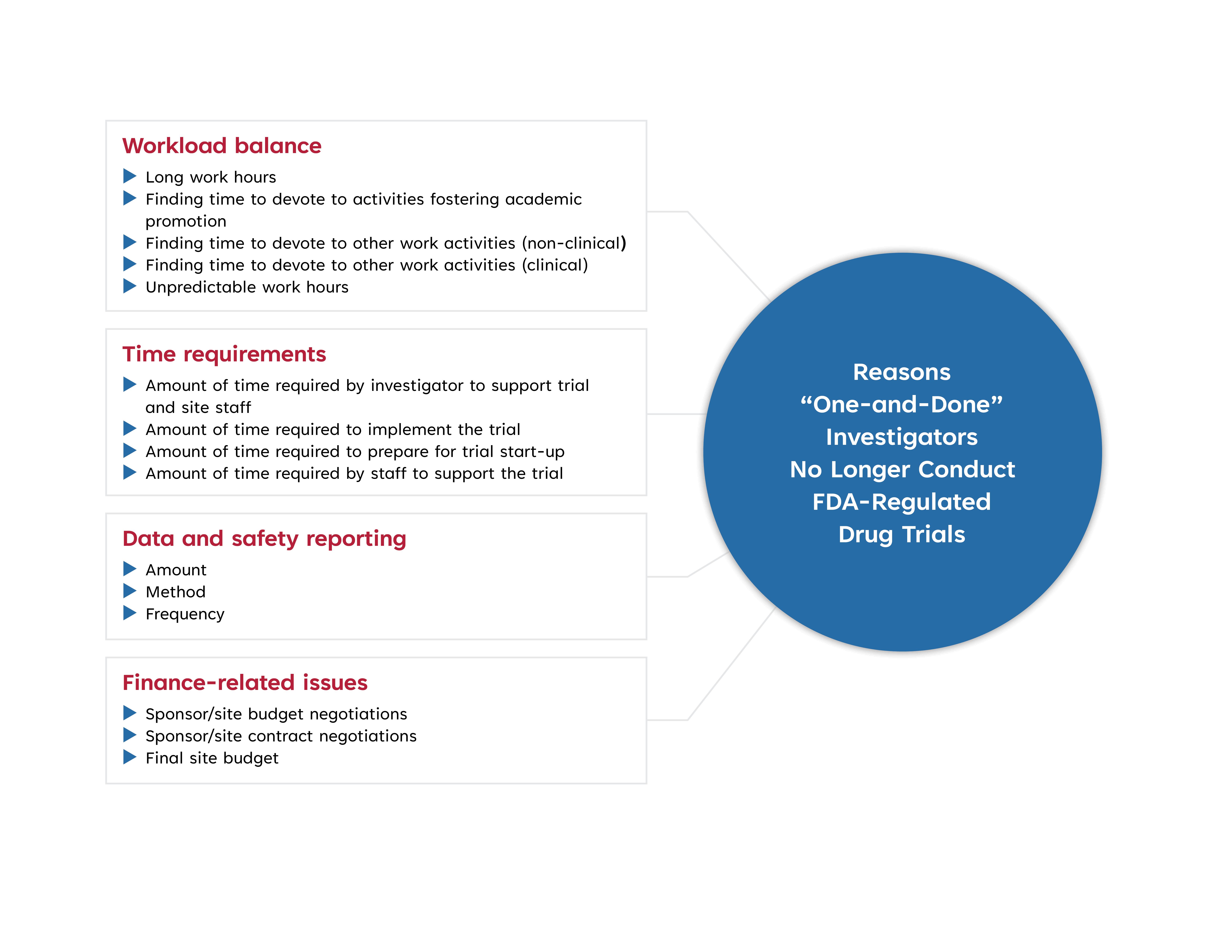
Knowledgeable and experienced site investigators are vital to conducting efficient, high-quality clinical trials. However, issues like heavy workload and extensive time requirements are contributing to a high rate of investigator turnover and driving some researchers away from clinical trials altogether. If left unchecked, this trend could threaten the overall quality and efficiency of clinical research. 

CTTI’s recommendations address these many issues, giving CROs, sponsors, health systems, investigators, and others ways to create a better research environment that sustains long-term engagement and fosters improved quality and efficiency in clinical trials. 

Resources

Site Planning | CTTI News

CTTI Paper Offers Suggested Solutions for Improving Good Clinical Practice Training

A new CTTI paper, detailing its findings from a project designed to assess challenges and burdens associated with Good Clinical Practice (GCP) training, has published in Contemporary Clinical Trials Communications....

Site Planning | Resources

Appendix 1: Resources for Training and Learning

Appendix 1: Resources for Training and Learning

Site Planning | CTTI News

CTTI Report Finds Contracting and Budgeting are Significant Pain Points for Study Start-Up

It’s no secret that the entire clinical trials ecosystem is affected by painfully slow study start-up timelines. CTTI recently sought to investigate the factors that influence this crucial problem. After...

Site Planning | Publications

Continued investigator engagement: Reasons principal investigators conduct multiple FDA-regulated drug trials

Continued investigator engagement: Reasons principal investigators conduct multiple FDA-regulated drug trials

Site Planning | Publications

Improving the Quality Conduct and Efficiency of Clinical Trials with Training: Recommendations for Preparedness and Qualification of Investigators and Delegates

Improving the Quality Conduct and Efficiency of Clinical Trials with Training: Recommendations for Preparedness and Qualification of Investigators and Delegates

Site Planning

Investigator Community

Knowledgeable and experienced site investigators are vital to conducting efficient, high-quality clinical trials.

Site Planning

Investigator Qualification

By itself, redundant Good Clinical Practice (GCP) training too often creates an unnecessary burden for site teams and limits the opportunity for more valuable, protocol-specific learning and preparation.

Site Planning | CTTI News

CTTI Article Uncovers Why Principal Investigators Conduct Multiple FDA-Regulated Drug Trials

Building on a previous study on the reasons why principal investigators conduct only one FDA-regulated drug trial (“one-and-done” investigators), a new CTTI article published in Contemporary Clinical Trials Communications explores the converse: barriers and...

Site Planning

Study Start-Up

Study start-up (SSU) for randomized controlled trials is usually a long and costly process that can cause significant delays.

Site Planning | CTTI News

CTTI Investigator Community Recommendations Featured in Contemporary Clinical Trials Communications

Why are turnover rates so high for site investigators? What can be done to strengthen the investigator community? CTTI’s exploration of this question and resulting recommendations were published this week in...

Formats

Stage of Trial

Investigator Qualification

Topics Included: Site Planning

By itself, redundant Good Clinical Practice (GCP) training too often creates an unnecessary burden for site teams and limits the opportunity for more valuable, protocol-specific learning and preparation.  There is a better approach.

Sponsors, CROs, and site teams can use CTTI’s recommendations and resources to learn how to recognize previous training and experience, identify gaps in knowledge and skills, and improve understanding of how to apply GCP principles to achieve higher quality clinical trials. Used alongside CTTI’s GCP recommendations, this work can provide an efficient and effective means of identifying whether investigators and their delegates are qualified to conduct a particular protocol. 

Resources

Site Planning | CTTI News

CTTI Paper Offers Suggested Solutions for Improving Good Clinical Practice Training

A new CTTI paper, detailing its findings from a project designed to assess challenges and burdens associated with Good Clinical Practice (GCP) training, has published in Contemporary Clinical Trials Communications....

Site Planning | Resources

Appendix 1: Resources for Training and Learning

Appendix 1: Resources for Training and Learning

Site Planning | CTTI News

CTTI Report Finds Contracting and Budgeting are Significant Pain Points for Study Start-Up

It’s no secret that the entire clinical trials ecosystem is affected by painfully slow study start-up timelines. CTTI recently sought to investigate the factors that influence this crucial problem. After...

Site Planning | Publications

Continued investigator engagement: Reasons principal investigators conduct multiple FDA-regulated drug trials

Continued investigator engagement: Reasons principal investigators conduct multiple FDA-regulated drug trials

Site Planning | Publications

Improving the Quality Conduct and Efficiency of Clinical Trials with Training: Recommendations for Preparedness and Qualification of Investigators and Delegates

Improving the Quality Conduct and Efficiency of Clinical Trials with Training: Recommendations for Preparedness and Qualification of Investigators and Delegates

Site Planning

Investigator Community

Knowledgeable and experienced site investigators are vital to conducting efficient, high-quality clinical trials.

Site Planning

Investigator Qualification

By itself, redundant Good Clinical Practice (GCP) training too often creates an unnecessary burden for site teams and limits the opportunity for more valuable, protocol-specific learning and preparation.

Site Planning | CTTI News

CTTI Article Uncovers Why Principal Investigators Conduct Multiple FDA-Regulated Drug Trials

Building on a previous study on the reasons why principal investigators conduct only one FDA-regulated drug trial (“one-and-done” investigators), a new CTTI article published in Contemporary Clinical Trials Communications explores the converse: barriers and...

Site Planning

Study Start-Up

Study start-up (SSU) for randomized controlled trials is usually a long and costly process that can cause significant delays.

Site Planning | CTTI News

CTTI Investigator Community Recommendations Featured in Contemporary Clinical Trials Communications

Why are turnover rates so high for site investigators? What can be done to strengthen the investigator community? CTTI’s exploration of this question and resulting recommendations were published this week in...

Formats

Stage of Trial

CTTI Article Uncovers Why Principal Investigators Conduct Multiple FDA-Regulated Drug Trials

Building on a previous study on the reasons why principal investigators conduct only one FDA-regulated drug trial (“one-and-done” investigators), a new CTTI article published in Contemporary Clinical Trials Communications explores the converse: barriers and critical factors that contribute to “active” investigators’ success while conducting multiple trials.

Through in-depth interviews with 23 experienced investigators, CTTI found that “active” investigators cited infrastructure, staff support, advance planning, and personal qualities as critical factors in successfully conducting multiple trials. They also shared many of the same barriers and frustrations that “one-and-done” investigators faced—including trial finances and patient recruitment—however, “active” investigators had developed strategies to overcome these barriers. Of particular importance, the amount and type of support to which investigators have access may represent a crucial difference between “active” and “one-and-done.”

The study resulted from CTTI’s investigator community work, which explored factors that influence investigators’ decisions to leave or remain in clinical research practice. Through this research and multi-stakeholder engagement, CTTI created a set of recommendations that systematically address barriers and implement reliable solutions to help reduce attrition of first-time and veteran investigators who leave the research environment.

Study Start-Up

Topics Included: Site Planning

Study start-up (SSU) for randomized controlled trials is usually a long and costly process that can cause significant delays.  

Addressing this challenge, CTTI conducted work to identify specific metrics and benchmarks related to SSU, recommending greater standardization within the clinical trials ecosystem. More recently, it also conducted research and released report showing that budgets and contracts are significant contributors to delays, laying the groundwork for future industry work on remodeling the SSU process. 

Resources

Site Planning | CTTI News

CTTI Paper Offers Suggested Solutions for Improving Good Clinical Practice Training

A new CTTI paper, detailing its findings from a project designed to assess challenges and burdens associated with Good Clinical Practice (GCP) training, has published in Contemporary Clinical Trials Communications....

Site Planning | Resources

Appendix 1: Resources for Training and Learning

Appendix 1: Resources for Training and Learning

Site Planning | CTTI News

CTTI Report Finds Contracting and Budgeting are Significant Pain Points for Study Start-Up

It’s no secret that the entire clinical trials ecosystem is affected by painfully slow study start-up timelines. CTTI recently sought to investigate the factors that influence this crucial problem. After...

Site Planning | Publications

Continued investigator engagement: Reasons principal investigators conduct multiple FDA-regulated drug trials

Continued investigator engagement: Reasons principal investigators conduct multiple FDA-regulated drug trials

Site Planning | Publications

Improving the Quality Conduct and Efficiency of Clinical Trials with Training: Recommendations for Preparedness and Qualification of Investigators and Delegates

Improving the Quality Conduct and Efficiency of Clinical Trials with Training: Recommendations for Preparedness and Qualification of Investigators and Delegates

Site Planning

Investigator Community

Knowledgeable and experienced site investigators are vital to conducting efficient, high-quality clinical trials.

Site Planning

Investigator Qualification

By itself, redundant Good Clinical Practice (GCP) training too often creates an unnecessary burden for site teams and limits the opportunity for more valuable, protocol-specific learning and preparation.

Site Planning | CTTI News

CTTI Article Uncovers Why Principal Investigators Conduct Multiple FDA-Regulated Drug Trials

Building on a previous study on the reasons why principal investigators conduct only one FDA-regulated drug trial (“one-and-done” investigators), a new CTTI article published in Contemporary Clinical Trials Communications explores the converse: barriers and...

Site Planning

Study Start-Up

Study start-up (SSU) for randomized controlled trials is usually a long and costly process that can cause significant delays.

Site Planning | CTTI News

CTTI Investigator Community Recommendations Featured in Contemporary Clinical Trials Communications

Why are turnover rates so high for site investigators? What can be done to strengthen the investigator community? CTTI’s exploration of this question and resulting recommendations were published this week in...

Formats

Stage of Trial

CTTI Investigator Community Recommendations Featured in Contemporary Clinical Trials Communications

Why are turnover rates so high for site investigators? What can be done to strengthen the investigator community? CTTI’s exploration of this question and resulting recommendations were published this week in the peer-reviewed journal Contemporary Clinical Trials Communications.


CTTI’s work on improving the Investigator Community aimed to better understand why some clinical investigators remain actively engaged in clinical research but others decide to leave it after a single experience. Evidence suggests that many investigators are leaving clinical research due to burdens imposed by trial-related responsibilities—a trend that could hinder the quality and efficiency of clinical trials.

CTTI’s evidence-based recommendations address the challenges faced by site investigators and offer solutions for improving their experience. The recommendations focus on streamlining research infrastructure and staff, clarifying site budget and contract negotiations, optimizing trial execution and conduct, and providing opportunities to conduct additional trials. CROs, sponsors, health systems, investigators, and others can use CTTI’s work to create a research environment that sustains long-term engagement, and fosters improved quality and efficiency in clinical trials.