Actionable Tools That Drive Transformation
In 2025, CTTI introduced four new resources to support the clinical trials enterprise in moving from ideas to action.
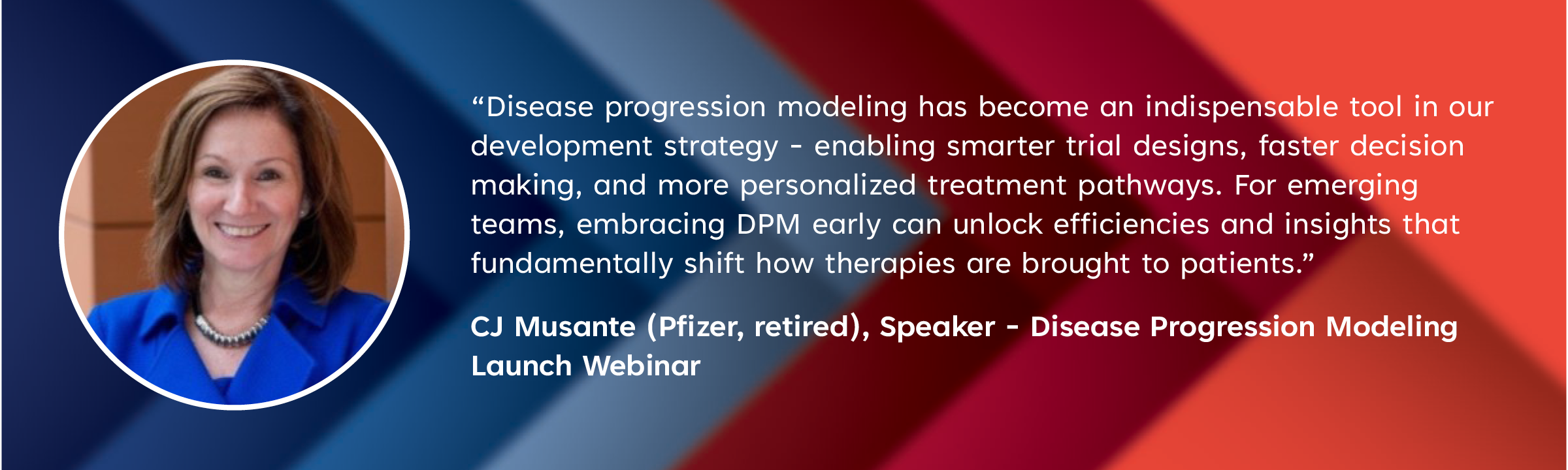
Disease Progression Modeling Tool and Recommendations

Evolving Initiatives and New Directions
In 2025, we launched four new projects and workstreams:
Project Watchtower
The ability to respond quickly and effectively during public health emergencies depends on having clinical trial sites that are prepared, capable, and connected. To address ongoing gaps in real-time awareness of U.S. site capacity and capabilities, CTTI launched Project Watchtower to develop scalable strategies for evaluating and strengthening site infrastructure and readiness nationwide. In July, leaders from across the research enterprise convened for an expert meeting to define core capability benchmarks and explore the feasibility of a standardized site-readiness assessment. Based on insights from this convening, a framework is being developed to assess U.S. clinical trial sites’ capabilities, capacity, and how they change over time.

“Closing the visibility gap on site capabilities is essential. Watchtower aims to give us the real-time awareness and tools necessary to activate high-quality, more representative trials quickly and consistently.”
Kevin Bugin (Amgen), Team Lead – Project Watchtower, CTTI Steering Committee Representative
Collective Strategies to Enhance Proportionate Enrollment
Building trials that reflect the populations affected by a disease requires coordination, clarity, and accountability across every group involved in research. Through the Collective Strategies to Enhance Proportionate Enrollment, CTTI is working to strengthen communication and alignment among CROs, patient organizations, sites, and sponsors to improve recruitment, enrollment, and retention practices. In 2025, the multi-stakeholder project team conducted interviews with individuals involved in planning, recruiting for, and implementing clinical trials to source insights and practical approaches for achieving proportionate enrollment. Informed by this systematic evidence-gathering, the project will continue into 2026 with a cross-sector convening of domain experts, thought leaders, and involved parties to refine strategies and develop actionable solutions that strengthen representation and reliability across clinical research.

“Building trials that truly reflect the populations most impacted by disease takes more than good intentions – it requires collaboration, clear processes, and accountability across all clinical trial partner groups. Through this project, we’re identifying the priorities, expectations, and challenges of each group, then developing unified, action-focused strategies that will support closing the gaps in enrollment, so research outcomes are more reliably generalizable in intended populations.”
Sabrena Mervin-Blake, CTTI
Emerging Programs AI Workgroup
Artificial Intelligence (AI) presents new opportunities to enhance the quality and efficiency of clinical trials. Throughout 2025, CTTI’s Emerging Programs AI Workgroup served as a dedicated forum for experts to examine how AI can be applied responsibly across the research lifecycle. Over the course of five meetings, participants explored real-world applications, identified emerging opportunities, and discussed barriers to adoption through case examples and shared experiences. Insights from the workgroup are guiding CTTI’s collaborative efforts with the FDA as well as future CTTI projects.

“In an effort to stay on top of the rapidly evolving AI topic, CTTI has hosted large public workshops with the FDA, as well as small group gatherings that provide a virtual, journal-club environment for experts to learn from one another. Through these discussions, relevant publications, and case examples of AI applications in clinical trials, CTTI has been able to keep a pulse on emerging trends to inform future project work.”
Lindsay Kehoe, CTTI
Enabling Expedited Development Pathways
Despite existing opportunities to accelerate the development and review of medical products, many programs don’t qualify or choose not to take advantage of these efficiencies. CTTI is asking why. Through the newly launched Enabling Expedited Development Pathways project, we aim to learn from example uses of expedited pathways, explore if there are opportunities for expanded use of existing pathways, or if efficiency gains are more likely to be achieved through evidence generation innovations. This work is central to advancing efficient, trustworthy approaches that bring safe, effective treatments to patients faster.
Project Exploration Meetings
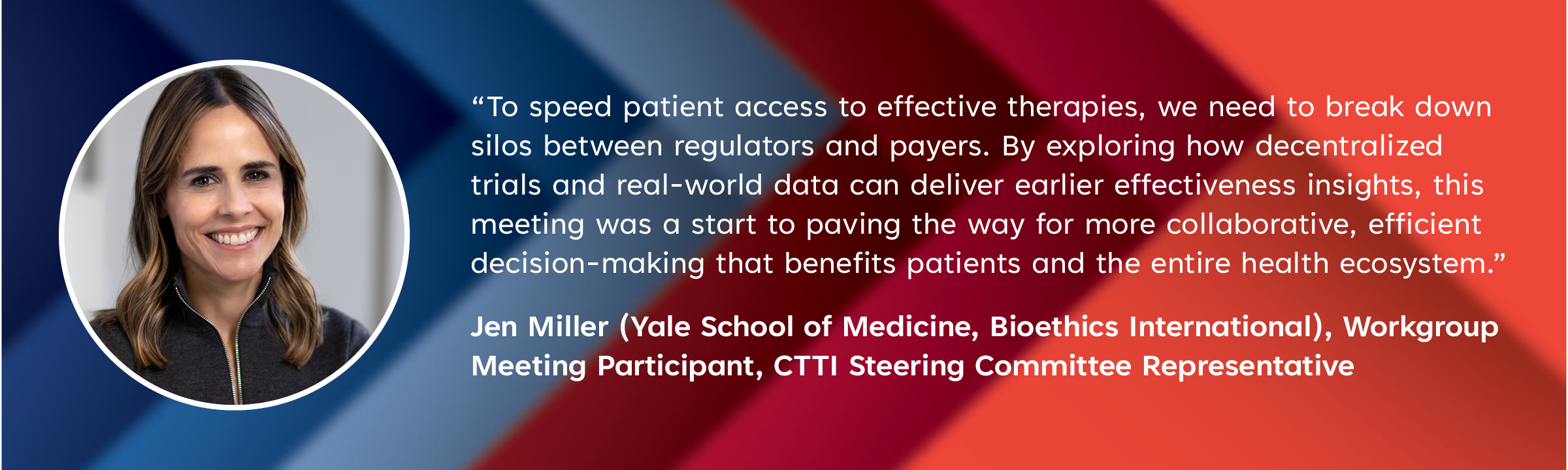
In 2025, CTTI conducted two multi-stakeholder convenings to rapidly explore emerging opportunities for increasing the quality and efficiency of clinical trials. These focused convenings sought to answer the following core questions: